The Hybrid Workflow: AI Writing Tools Plus Human Editing
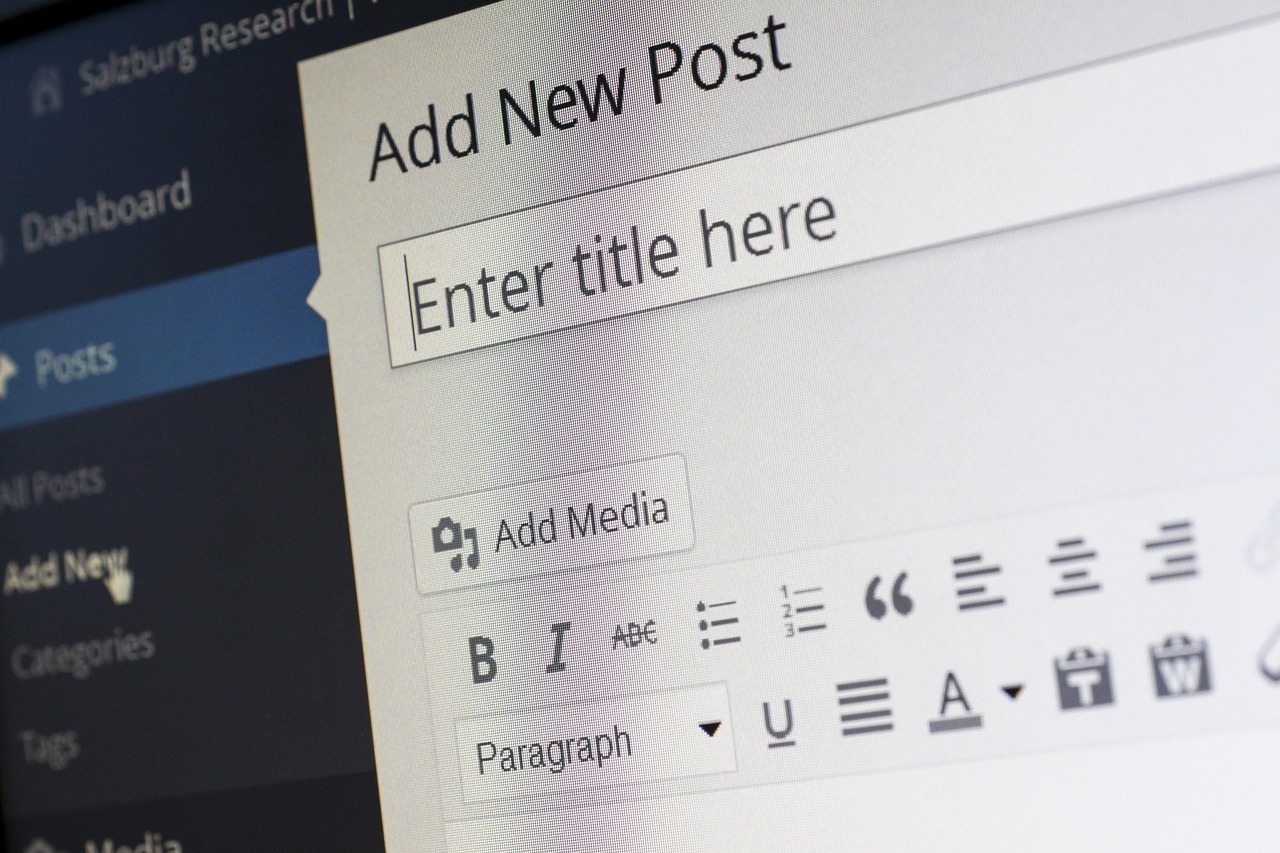
Hybrid publishing has a bad reputation in some circles because it is often faked: a tool draft is lightly skimmed, a human byline is attached, and the result is called edited. That is not a workflow; it is a label. A real hybrid workflow has three visible parts: a topic split that sends judgement-heavy topics to humans and straightforward topics to tools, an editing checklist that the editor actually works through, and a publishing gate that can reject a draft. If any of those three is missing, you do not have a hybrid workflow. You have tool output with extra steps, and you should judge it as such.
The economics are why hybrid is worth building properly. A tool draft from Rankenza costs $3.60 per article, with the first article free and 50 for $89, no subscription, credits never expire. Add a careful human edit of thirty to sixty minutes, whether by you or by an editor you pay, and the finished post still costs far less than a human-written post from a marketplace, which runs about $50 to $60 per 1,000-word post before platform fees, or a freelancer at $150 and up. The saving is real, but it depends entirely on editing time staying bounded. A hybrid post that needs two hours of repair has lost its advantage, and the workflow below is designed to detect that early, topic by topic, before you scale it.
Step 1: Split topics by judgement, not by convenience
Divide your topic list into three tiers. Tier one, human-first: flagship guides, posts that carry professional or safety advice, stories about your business, opinion or comparison posts where your judgement is the content, and any topic where a wrong statement could harm a reader or your reputation. These go to a human writer or, at minimum, receive a heavy human rewrite, not a light edit. Tier two, hybrid: straightforward explainers, common customer questions, how-to posts for standard processes, and local service explainers. A tool drafts, a human edits against the checklist below. Tier three, tool-only with review: short glossary-style explainers and simple question-and-answer posts, still reviewed, but with a lighter check. Nothing publishes without review in any tier; the tiers differ in how much human work the draft receives, not in whether it receives any.
Write the split down and revisit it quarterly. Topics migrate: a tier-two explainer that starts attracting enquiries and competition may deserve a tier-one rewrite, and a tier-one topic that proves stable may be maintainable as a hybrid update. The most common hybrid failure is topic drift, where tier-one topics quietly slide into the tool queue because the queue is faster. Prevent it with a rule: any topic that mentions regulated advice, safety, pricing guarantees, or a competitor by name is automatically tier one, whatever the queue says. That rule costs nothing and prevents the most damaging errors.
Step 2: Brief the tool as carefully as you would brief a writer
A tool draft is only as good as its input. Give it the keyword in the reader's words, the question the post must answer, the reader type, and any facts that must appear or must not be claimed. Do not give it a vague keyword and hope. If you know the top pages ranking for the keyword, read them first and note what they cover and what they miss; your editor will use those notes to judge whether the draft beats them or merely repeats them. For Rankenza, the input is a keyword, and the tool researches the search results and produces a structured draft with internal links. That research is the tool's strength, but it does not replace your knowledge of your products, your prices, and your customers, and those must be supplied by you or checked by your editor.
Keep a brief template for hybrid posts: query, reader, action, must-include facts, must-not-claim list, internal links to add, and voice notes. The must-not-claim list matters more than most owners expect: it is where you forbid the draft from inventing statistics, guarantees, awards, or product features. Tool drafts invent plausible details when a gap appears, and a must-not-claim list gives your editor a fast way to spot them. One page of briefing saves an hour of repair, and it makes hybrid editing consistent when more than one person edits.
Step 3: Edit with a checklist, and time it
The editor's job is not to "make it sound nice." It is to work a checklist, in order, and to reject drafts that fail it. First, accuracy: check every fact, number, and product claim, and delete or source anything unverifiable. Second, usefulness: compare the draft against the top three ranking pages and ask whether it answers the query better, not just longer; add the missing angle or the concrete example that makes it better. Third, structure: confirm an early answer, headings that follow the reader's questions, and internal links that work and point to genuinely related pages. Fourth, voice: remove generic phrasing and add your business's specifics, such as service areas, real process details, and the next step for the reader. Fifth, originality: run a plagiarism check on tool-assisted drafts, and rewrite any passage that echoes a competitor too closely, following our guide to handling duplicate content from AI tools.
Time the edit. A tier-two hybrid edit should take thirty to sixty minutes for a standard post. Under fifteen minutes usually means the checklist was skimmed, not worked. Over ninety minutes usually means the topic was tier one in disguise, or the draft was poor, and either way it should be flagged: reassign the topic, change the tool input, or drop the topic. Keep a simple log: topic, tier, editing minutes, and whether the post was published, rewritten, or rejected. After ten posts, the log tells you which topics hybrid handles well and which it does not, and that evidence, not enthusiasm, should drive scaling.
Step 4: Set a publishing gate, and use it
A gate is a rule that stops a bad post, even when the queue is pressing. Ours is simple: no post publishes with an unverified factual claim, a broken or irrelevant internal link, or a passage flagged by the originality check. The gatekeeper can be you or a trusted editor, but it must be a named person, not a vague "we check." If you are the gatekeeper, block a fixed weekly slot for it; gates that depend on spare moments fail in busy weeks, which is exactly when bad drafts slip through. If an editor is the gatekeeper, give them explicit authority to reject, not just to suggest; an editor who can only suggest will eventually stop suggesting.
Also decide what happens to rejected drafts. A rejected tier-two draft is not wasted if you learn from it: note whether the failure was accuracy, structure, or topic difficulty, and adjust the brief template or the tier split accordingly. A draft rejected twice for the same reason indicates a systematic problem, such as a topic type the tool handles poorly, and that topic type should move up a tier. Publishing a rejected draft "just this once" destroys the gate's credibility, and every future draft will be judged against that exception. The gate works only if it has visibly stopped something.
What hybrid costs, honestly
Hybrid's honest cost is tool price plus editing time plus checking tools. At Rankenza's $3.60 per article, ten tier-two posts cost $36 in tool fees. At forty-five minutes of editing each, that is seven and a half hours of editing time. If your time is valued at $50 an hour, the finished cost is about $411 for ten posts, or about $41 per post, before any checking-tool subscription. Compare that with ten marketplace posts at about $50 to $60 each before platform fees, and hybrid wins, but not by the headline margin the tool price alone suggests. If editing is done by a paid editor at a lower hourly rate, hybrid wins by more. If editing takes ninety minutes per post, hybrid's advantage shrinks to almost nothing, and a human route may be simpler. Run your own numbers with your real editing minutes; the log from step 3 gives them to you.
Checking tools deserve a budget line too. A plagiarism and originality check is part of hybrid quality control, not an optional extra, and its subscription cost belongs in the per-post maths. Prices for such tools are Not verified in this article except where noted elsewhere in this series, so confirm them on the provider's page before budgeting. Do not let a checking subscription sit unused: if nobody runs the check, cancel it and make the check part of the editor's checklist by another method. A workflow with an unused tool is a workflow with a hole in it.
Common hybrid mistakes
The first mistake is editing for style instead of substance: polishing sentences while leaving wrong facts and a weak answer intact. The checklist order prevents this by putting accuracy and usefulness first. The second is inconsistent voice: five editors, or five rushed edits, produce five voices. Fix it with a short style note: how you address the reader, how formal you are, and which phrases to avoid. The third is publishing the draft's internal links unchecked, which sends readers to irrelevant pages and teaches search engines that your linking is careless. The fourth is scaling before measuring: moving from five hybrid posts to fifty because the first five felt fast, without checking editing minutes or rejection rates. Scale on the log's evidence, in steps, and keep a human route warm for tier-one topics throughout.
Done right, hybrid publishing is not a compromise between cheap and good. It is a division of labour that matches each job to the worker best suited to it: software for research and structure at scale, humans for judgement, accuracy, and voice. That division is how most small businesses with real content volume will publish sustainably, because it is the only division where the maths works at twenty posts a month and the quality holds at the post a customer actually reads before calling you.
FAQ
What is a hybrid content workflow?
A workflow where an AI or SEO tool drafts a post and a human edits it against a checklist for accuracy, usefulness, structure, voice, and originality before publishing. The human is the publishing gate, not a rubber stamp. Topics that need judgement, regulated accuracy, or distinctive voice stay human-first.
How long should editing a tool draft take?
For a standard tier-two explainer, thirty to sixty minutes of careful editing is realistic. Under fifteen minutes usually means the checklist was skimmed. Over ninety minutes usually means the topic belongs in a higher tier or the draft was poor, and it should be flagged rather than forced through.
Can a hybrid post rank as well as a human-written post?
Yes, when the edited post answers the query better than the pages already ranking, with accurate facts and useful structure. Ranking follows usefulness, not authorship method. A hybrid post that is merely a polished tool draft with no added value will not outperform a strong human post, and a human post that is generic will not outperform a well-edited hybrid one.
Should I disclose AI assistance in hybrid posts?
Disclosure practices vary, and no single rule fits every business. What matters is honesty about quality: do not claim a post was human-written from scratch if it was tool-drafted and edited, and do not attach a human byline to unedited tool output. When in doubt, describe your process accurately and let the post's quality speak for itself.
Related guides
Continue with these related guides: SEO Writing Tools vs Writing Services: A Head-to-Head Comparison and Writing Tools vs Services: A Decision Guide by Budget, Skill, and Time.